Word Heaps -Connect Stack Word
Fantasy Games LtdWord
4.8638.00 Reviews
- Version
- 5.1
- Installs
- 10.00M
- Age Rating
- Everyone
Screenshots
Our Review of Word Heaps -Connect Stack Word
 Analysis by Appyee
I spent time with Word Heaps -Connect Stack Word as a casual word game, and my first impression was that it is built for short, repeatable sessions rather than one long story-driven experience. The basic appeal is easy to understand: you look for words, connect them, and keep moving through puzzle challenges. That makes it a natural choice when I want something quieter than an action game but more engaging than simply scrolling through a feed.
It is a free game in the word category from Fantasy Games Ltd. The app is suitable for Everyone, and its broad audience is one of its strongest points. I can imagine using it during a coffee break, while waiting for an appointment, or at home when I want a small mental workout without committing to a complicated ruleset. The store summary presents it as an addictive word-search experience, but what matters in daily use is whether the puzzles remain comfortable to start and satisfying to finish.
How the puzzle experience feels in everyday use
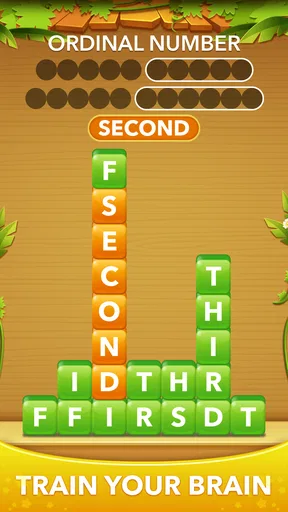
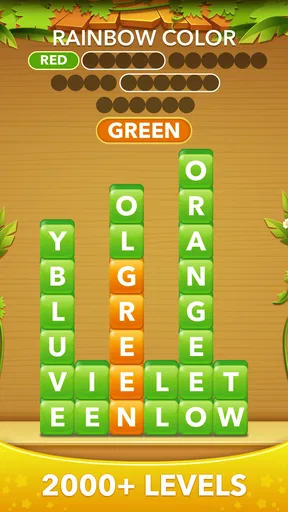
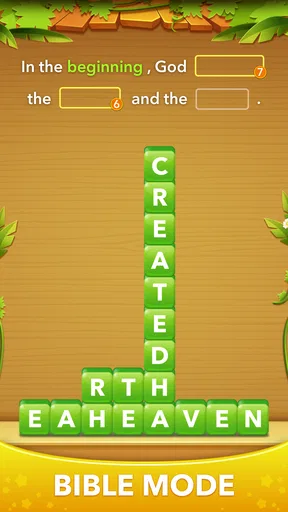
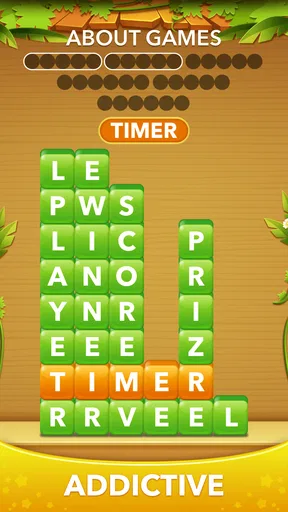
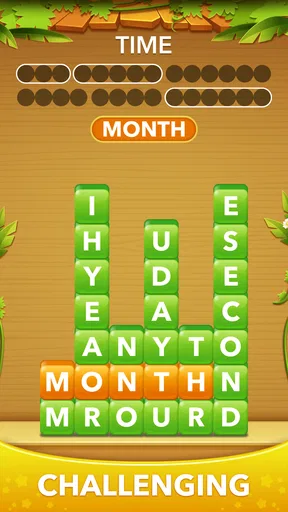
The central loop is approachable enough that I did not need a long tutorial to understand what I was supposed to do. Connecting letters into words gives each round a clear purpose, while the stacked-word idea gives the game its own identity instead of feeling exactly like a standard crossword. That distinction is important because players who enjoy traditional clue-based puzzles may want more language deduction, while players who prefer visual letter hunting may appreciate the directness here.
I found the format best suited to interrupted play. A realistic use case is opening it on a bus, solving a few puzzles, then putting the phone away without needing to remember a complicated plot or a large collection of controls. When I return later, the basic objective is immediately understandable. That low restart cost is a genuine strength for a mobile word game.
The game is also a reasonable option for people who want to play in English at their own pace. It asks for attention to spelling and word recognition, but it does not present itself as a formal language course. I would treat it as light vocabulary practice rather than a structured way to learn grammar or build a study plan. Someone looking for lessons, definitions, pronunciation, or educational tracking would probably be happier with a dedicated language-learning app.
Why the simple format works
Word games often succeed or fail on how quickly they let the player reach the interesting part. Here, the word-connection concept is familiar enough to feel welcoming, yet the arrangement of letters gives each puzzle a small visual problem to solve. I like that the challenge can come from seeing a possible word and then checking whether it fits the available structure, rather than from remembering a long list of rules.
My practical tip is to avoid tapping randomly when a puzzle feels difficult. I get better results by first scanning for short, obvious words, then using the newly exposed structure to look for longer possibilities. That approach makes the session feel more deliberate and reduces the frustration that comes from repeatedly trying the same combinations. It is a small habit, but it changes the game from guessing into a manageable process of elimination.
Another useful approach is to play in two modes mentally: one pass for familiar words and a second pass for less obvious combinations. The first pass creates momentum, while the second asks me to inspect the remaining letters more carefully. This is especially helpful when I am tired, because it gives me a method instead of relying entirely on inspiration.
Progress, repetition, and the feeling of pressure
The appeal of a word puzzle game depends heavily on whether progress feels rewarding without becoming stressful. In my experience, this style of game works best when I treat it as a sequence of small wins, not as a test of intelligence. A difficult puzzle can be satisfying after a short break, but it can also become irritating if I keep forcing the same idea.
That is why I would not recommend playing every session with the goal of clearing as much content as possible. Short bursts make the format more enjoyable. If I am stuck, closing the game and returning later gives my attention a reset; words that were invisible a few minutes earlier can become obvious after that pause. This is a useful trade-off for people who want a relaxing game, although players who prefer constant novelty may find repeated word searching less exciting over time.
The current version is 5.1, and the game has been available since March 22, 2019. Those details place it in the category of an established mobile title rather than a brand-new experiment. It has passed ten million installs and holds an average rating of 4.8 from roughly eighty-three thousand ratings, which suggests that the basic format has found a substantial audience. I still would not treat popularity as proof that every player will enjoy it; word-game preferences are particularly personal.
One limitation is that a simple loop can become predictable. If you need a changing story, expressive characters, elaborate visuals, or strategic combat, this will feel narrow. Its strength is concentration on word solving, and that focus is also the reason it may not hold the attention of people who need several different gameplay systems in the same app.
What spending means here
The game is free to download, but it includes in-app purchases ranging from $0.99 to $99.99 per item. That is the main point I would consider before handing the phone to a child or beginning a long session. The purchase range is clearly broad, so I would use the platform’s purchase controls and keep an eye on the account settings, especially on a shared device.
I do not see a reason to assume that spending is necessary simply because purchases exist. At the same time, I would not promise that every part of progression feels identical for a paying and non-paying player, because the available purchase information does not establish how each item affects play. The fair conclusion is more limited: you can start without paying, while optional purchases are present and deserve attention.
My advice is to decide your boundary before playing. If you are comfortable with a completely free experience, do not make an impulse purchase just because a puzzle creates pressure. Take a break, try a different solving pattern, and return later. If you choose to spend, keep it intentional rather than treating a difficult moment as a reason to buy immediately. That habit is useful in any free-to-play puzzle game, and it matters here because the listed top purchase is much larger than a casual one-time add-on.
For families, the Everyone age rating makes the game broadly accessible, but an age label does not replace supervision of purchases. I would explain to younger players that the game can be played without automatically buying help or extras. This is less about the word puzzles themselves and more about keeping the financial side predictable.
Is the challenge competitive or mostly personal?
I would approach this as a personal word-solving game rather than a serious competitive platform. The satisfying comparison is with my own previous performance: can I spot combinations more quickly, stay patient on harder layouts, and avoid wasting attempts? That kind of self-competition suits the quiet nature of the game.
Players searching for live matches, detailed rankings, direct opponents, or tournament-style pressure should choose a title designed around those features instead. I would not import expectations from multiplayer word games into this experience. The appeal here is the individual puzzle loop, and its value comes from making a few minutes feel mentally active without requiring another person to be available.
Compared with a crossword app, this format is less dependent on written clues and more dependent on recognizing letter relationships. Compared with a word-search game, the connecting and stacking idea gives the puzzle a stronger sense of construction. Compared with a spelling-learning app, it is more playful and less instructional. Those differences make it easy to place: it is a casual word challenge first, not a classroom tool or a head-to-head competition.
That comparison also reveals who should skip it. If you dislike searching through letter groups, or if you need precise definitions for every unfamiliar word, the game may feel unsatisfying. A traditional crossword is better for clue solving, a competitive word title is better for rivalry, and a language course is better for measurable study. I would choose Word Heaps when I want a compact puzzle with a low barrier to entry.
Small techniques that make difficult puzzles less frustrating
When I reach a puzzle that resists the first few attempts, I look for patterns rather than isolated letters. Common beginnings and endings can reveal a possible word faster than scanning every combination equally. I also check whether a word I already noticed can be rearranged mentally into another likely form. This is not a special feature claim; it is simply a practical way to use the structure of the puzzle more efficiently.
I also recommend changing posture and screen distance if you are playing for a while. Letter games rely on visual scanning, and fatigue can make the board appear more confusing than it really is. A short pause often helps more than repeatedly tapping. For a commuter or someone playing late at night, this makes the difference between a calming session and an unnecessarily tense one.
Another trade-off is speed versus accuracy. Moving quickly feels rewarding, but rushing can make me overlook a straightforward word and then waste time chasing unlikely combinations. I prefer a measured first scan, followed by faster play once the available options become clearer. This method is particularly useful for players who want the game to remain relaxing rather than turning every round into a race.
Device expectations and practical fit
The minimum operating-system requirement is Android 7.0, so the game is not limited to only the newest Android phones. That makes it a practical candidate for people using an older compatible device, although the experience can still depend on the phone itself, screen size, and general responsiveness. On a small display, a letter-focused puzzle may require more careful tapping than it would on a larger phone.
I would install it for someone who wants an immediately understandable pastime, enjoys word recognition, and prefers playing alone. It also fits people who like setting their own pace: one puzzle during a break, several rounds on a quiet evening, or a quick attempt before putting the phone down. The free entry point makes trying it straightforward, provided the purchase settings are handled sensibly.
I would skip it for someone who wants a deep narrative, a rich social layer, or a clearly educational vocabulary curriculum. I would also be cautious about recommending it as a completely pressure-free experience to anyone who dislikes in-app purchase prompts in free games. The presence of purchases does not automatically make the game unfair, but it does mean that the financial context belongs in the decision.
What I can and cannot judge about fairness
From the purchase information, I can say that optional items are available and that their prices span from a small amount to a substantially larger one. I cannot responsibly describe the exact contents of those items or claim that they change the balance of a particular puzzle. That distinction matters: a fair review should separate what is visible from what would require assumptions.
My personal standard is simple. If I can enjoy the core word-solving loop without feeling pushed to spend, the free version has a worthwhile role. If a player feels that progress is being turned into a payment decision too often, a paid word game with a fixed price may be a better fit, even if it offers fewer ongoing updates or less content. The right choice depends on whether you value a free starting point or predictable costs more.
The large audience and strong average rating are encouraging signs that many people enjoy the experience, but they do not answer every trust question. Ratings tell me that the overall reception is positive; they do not explain how purchases are presented or how the game feels to every type of player. I would therefore recommend trying it with a clear spending limit rather than relying on the rating alone.
My verdict after weighing the unknowns
Word Heaps -Connect Stack Word works because it keeps its main idea easy to grasp while giving letter arrangement enough structure to make each puzzle feel like a small task rather than a random search. I like it most in short sessions, when I want to wake up my attention without opening a demanding game. The ability to pause and return later is a real advantage for everyday mobile use.
Its weaknesses are equally clear. The focused format may become repetitive for players who need variety, and the presence of in-app purchases means that families and budget-conscious users should check their settings before playing extensively. I also would not choose it over a crossword, competitive word game, or language-learning app when those specific goals matter more than casual puzzle solving.
Fantasy Games Ltd has made a broadly accessible word title with a free starting point, an Everyone rating, and a format that is easy to fit into ordinary routines. My recommendation is positive but measured: try it if you enjoy connecting letters and want a low-commitment solo game, keep your spending intentional, and judge it by the quality of its puzzle sessions rather than by the promise of endless excitement. For me, the best reason to play is the clean, repeatable mental break, not competition or a complicated progression system.
In the end, I would recommend it to a friend who wants a casual word challenge that can fill a few spare minutes. I would explain the purchase range before recommending it to a family, and I would point a serious crossword fan or competitive player toward a more specialized alternative. Used with those expectations, it is an enjoyable free word game whose strengths are accessibility, quick restart, and simple focus.
Verdict
Strengths of Word Heaps -Connect Stack Word
- Simple drag-and-connect controls are easy to learn.
- Short rounds make it suitable for quick play sessions.
- Word categories help guide guesses without giving away answers.
- Gradual difficulty increase keeps early levels approachable.
- Offline play is convenient when no internet connection is available.
Limitations of Word Heaps -Connect Stack Word
- Some puzzles may feel repetitive after extended play.
- Hints can reduce the challenge if used too frequently.
- Later levels may depend heavily on recognizing uncommon words.
- Advertising may interrupt the flow between puzzles.
- Limited variety beyond the core word-stacking gameplay.
Similar Picks in This Category
View All
Word Search - Word Puzzle Game
Bluetile4.8

Word Search Quest - Puzzles
Blackout Lab4.8

CodyCross: Crossword Puzzles
Fanatee, Inc.4.7

Words of Wonders: Crossword
Fugo Games4.9

Wordscapes: Word puzzle game
PeopleFun4.7

Word Search Explorer
PlaySimple Games4.9
Frequently Asked Questions
What is Word Heaps - Connect Stack Word, and how is it played?
Word Heaps - Connect Stack Word is a casual word puzzle game in which you connect letters or word fragments to form valid words and clear the board. Each level presents a different arrangement and usually requires observation, vocabulary, and logical thinking rather than speed. The game is easy to understand, but later puzzles can become considerably more challenging.
Does Word Heaps - Connect Stack Word work offline?
The core puzzle experience may be playable without a constant internet connection, which is useful when traveling or when mobile data is limited. However, some features can depend on connectivity, including advertisements, reward videos, cloud-related functions, updates, or promotional content. For the most reliable experience, open the game online at least once after installing it and check whether all features load correctly.
Is Word Heaps - Connect Stack Word free to download and play?
Word Heaps - Connect Stack Word is generally offered as a free download, allowing users to start solving puzzles without paying upfront. Like many free-to-play mobile games, it may include advertisements, optional purchases, or paid benefits such as removing ads, receiving hints, or obtaining additional resources. Review the store listing and in-app purchase details before confirming any transaction.
Is the game suitable for children and beginners?
The game is generally approachable for beginners because its basic mechanics are simple to learn and do not require advanced gaming skills. It can also provide useful vocabulary and pattern-recognition practice. Nevertheless, difficulty varies by level, and younger players may encounter unfamiliar words or advertising. Parents should review the age rating, privacy information, and purchase settings before allowing children to play.
What should I do if I get stuck on a difficult puzzle?
When a level becomes difficult, examine the available letters carefully and look for common prefixes, suffixes, short connecting words, or familiar word combinations. Avoid spending hints immediately, since taking a short break can make patterns easier to notice. If the game provides hints, shuffles, or other assistance, use them selectively because limited resources may be more valuable on later, harder stages.
Play our best games!


